Short-term rental insurance in California: why your standard policy falls short
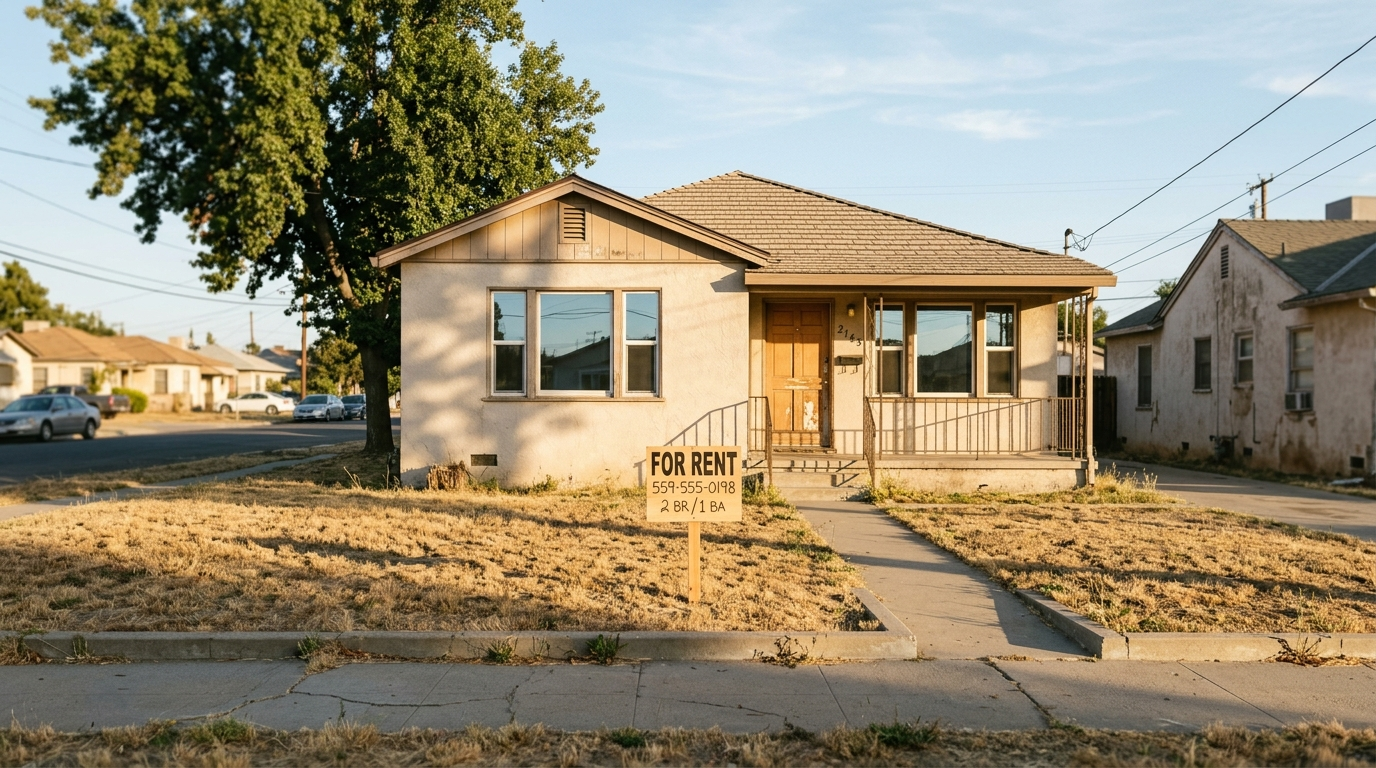
If you rent out your home, a spare room, or a mountain cabin on Airbnb or VRBO, short-term rental insurance in California is not an optional add-on. It is the difference between a covered loss and a five-figure bill you pay out of pocket. Standard homeowners policies were written for owner-occupied residences, and most carriers treat paying guests as a commercial business activity. That gap in coverage is where hosts get burned.
What standard homeowners insurance does (and does not) cover
Most California homeowners policies include an exclusion for "business pursuits" or "rental activity." The moment a guest books your property and money changes hands, you have triggered that exclusion in the eyes of many carriers. Here is what that means in practice:
- Guest injury on your property: a personal liability claim may be denied if the insurer classifies the activity as a business operation.
- Theft by a guest: personal property theft is often excluded or severely sublimited when the person who took the item was an authorized occupant.
- Vandalism or intentional damage: accidental damage provisions typically do not extend to a paying guest who deliberately breaks something.
- Loss of rental income: standard homeowners policies do not include loss of rental income coverage at all.
Airbnb's Host Protection Insurance and VRBO's similar programs do provide some liability coverage, but those programs have meaningful gaps and coverage limits that may not match your actual exposure. They are controlled by the platform, not you, and they are not a substitute for your own policy. For a broader look at how homeowners coverage is structured, the guide to what homeowners insurance actually covers lays out the baseline most policies start from.
What short-term rental insurance actually covers
A purpose-built short-term rental policy closes the gaps that standard homeowners coverage leaves open. Depending on the carrier and form, coverage typically includes:
- Dwelling coverage: repairs to the physical structure caused by guests, just as a standard policy covers wind or fire damage.
- Personal property: furniture, appliances, and items you provide for guests, covered whether the damage is accidental or caused by a guest.
- Liability protection: if a guest slips on a wet deck and sues you, this covers legal costs and judgments. Limits of $300,000 to $1,000,000 are common; some hosts in higher-traffic markets carry more.
- Loss of rental income: if a covered event such as fire or water damage forces you to cancel bookings while repairs happen, the policy replaces the income you lose during that period.
- Theft by guests: items stolen by an occupant who had authorized access, a coverage that standard homeowners forms usually exclude by endorsement.
- Medical payments to others: smaller, no-fault medical payments (often $1,000 to $10,000 ) that can resolve minor injuries without a lawsuit.
Some policies are "all-season" forms designed for hosts who rent year-round, while others are endorsements that activate only during booked periods. If you also live in the property part of the year, a hybrid form or a rental-activity endorsement on your homeowners policy may be the right fit. Ask specifically how the policy handles the transition between personal use and rental use.
California-specific risks every short-term rental host should know
California has several layers of risk that make adequate coverage especially important for hosts in the Central Valley and foothills.
Wildfire exposure in the Sierra Nevada foothills
Properties near Shaver Lake, Friant, Auberry, and other foothill communities sit in some of California's highest wildfire risk zones. The state's Fair Plan is the insurer of last resort for properties that private carriers decline, but the Fair Plan is a basic fire policy only. It does not include liability, loss of income, or guest-related property damage. If you are renting a cabin in a high-hazard area and relying on the Fair Plan, you have a significant coverage gap that a dedicated short-term rental policy is designed to fill. The broader insurance market challenges facing California property owners are worth understanding; the California homeowners insurance crisis explained covers why so many carriers have pulled back from the state.
Local regulations and liability exposure
Fresno, Clovis, and surrounding San Joaquin Valley communities each have their own short-term rental ordinances covering permitting, occupancy limits, and host registration. Operating without a permit can complicate a claim if the insurer or a court determines the rental was conducted unlawfully. Keeping your permits current is a coverage issue, not just an administrative one.
Swimming pools, hot tubs, and outdoor amenities
A pool or hot tub raises your liability exposure significantly. California has specific pool barrier laws (California Health and Safety Code Section 115922) that require enclosures and self-latching gates. If a guest's child is injured because a required safety feature was missing, you face both regulatory and civil liability. Make sure your liability limit reflects the risk, and confirm that pool and hot tub incidents are not excluded on your policy form.
Earthquake risk
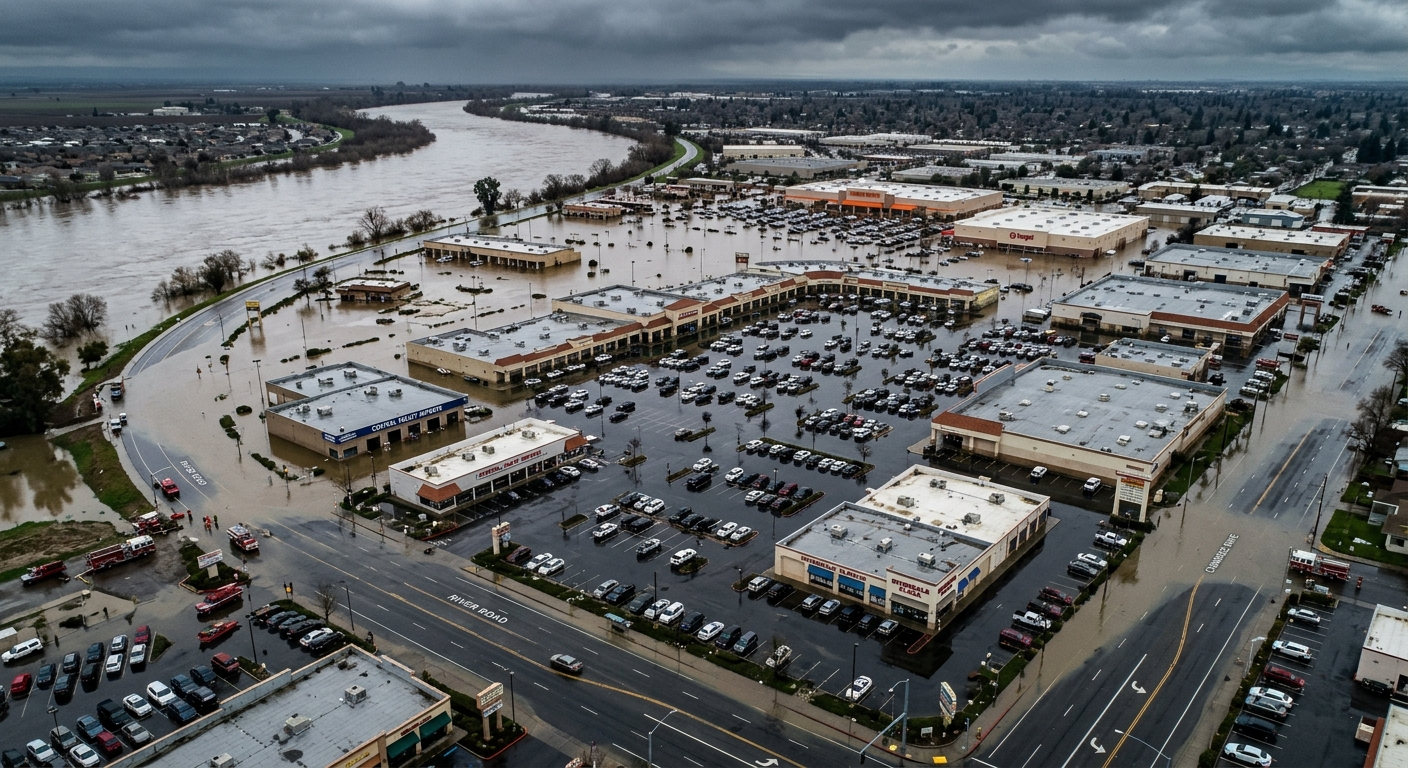
California homeowners policies do not cover earthquake damage. A standalone earthquake insurance policy is available through the California Earthquake Authority and private carriers. If your rental property is damaged by a quake and you have no earthquake coverage, you lose the structure and the income stream at the same time.
How short-term rental insurance differs from landlord insurance
Hosts sometimes assume that a landlord policy will cover Airbnb and VRBO rentals, but the two products are designed for different arrangements. Landlord insurance (also called dwelling fire or rental dwelling coverage) is built around tenants on leases, typically six months or longer. It assumes a more stable occupancy pattern, lower turnover, and tenants who have agreed to terms in writing. Short-term rental insurance accounts for high guest turnover, the furnished-property exposure, loss-of-income calculations based on nightly rates rather than monthly rent, and the different liability profile that comes with a transient-guest model. For a side-by-side look at how landlord policies compare to homeowners coverage more broadly, see the post on landlord insurance vs. homeowners insurance in California.
How much does short-term rental insurance cost in California?
Pricing depends on several factors specific to your property and rental activity:
- Property location: wildfire zone, coastal flood risk, and urban vs. rural all move the rate. A cabin near Shaver Lake costs more to insure than a condo in a lower-hazard Fresno neighborhood.
- Occupancy frequency: hosts who rent 200 or more nights per year are underwritten differently than occasional hosts who rent a handful of weekends.
- Dwelling replacement cost: construction costs in California have risen sharply. Make sure your insured value reflects current rebuild costs, not the purchase price or assessed value.
- Liability limits selected: stepping up from $300,000 to $500,000 in liability coverage typically adds only modest premium.
- Amenities: pools, hot tubs, fire pits, and recreational equipment all affect the liability rate.
For a modest property renting occasionally, a short-term rental endorsement on an existing policy might run a few hundred dollars per year . A standalone policy for a high-demand vacation rental in a wildfire-adjacent area can run $1,500 to $3,000 or more annually . The only way to get a number that applies to your situation is to run it with a carrier that specializes in this space. An independent agent can put your property in front of multiple carriers at once and identify which form best fits how you actually use the property.
Common mistakes short-term rental hosts make with insurance
These are the situations that end with a denied claim and a frustrated host:
- Assuming platform protection is enough: Airbnb's AirCover for Hosts and VRBO's coverage programs are real, but they have exclusions, are administered by the platform rather than a policy you own, and can change terms without your input. They do not replace your own coverage.
- Not disclosing rental activity to the homeowners carrier: if your carrier finds out about the rental after a claim, they can deny the claim and potentially cancel your policy. Disclosure is required.
- Carrying liability limits that are too low: a guest who is seriously injured on your property can generate a claim well above $300,000. A personal umbrella policy can extend your liability limit economically and layers on top of your short-term rental liability coverage.
- Forgetting about business personal property: the furniture, linens, kitchen equipment, and electronics you provide for guests are not covered the same way your personal belongings are on a homeowners policy. Confirm the policy covers "business personal property" or "rental contents."
- Not reviewing coverage annually: nightly rates go up, you add a hot tub, or you start renting more frequently. Your coverage should keep pace.
Get the right short-term rental coverage for your California property
McCarty Insurance Agency is an independent agency serving Fresno, Clovis, Shaver Lake, and communities throughout the Central Valley and Sierra Nevada foothills. As an independent agency, we are not tied to a single carrier. We compare short-term rental policies across multiple insurance companies to find the coverage that fits how you use your property, at a price that makes sense.
Whether you are a first-time Airbnb host wondering if your homeowners policy is enough, or an experienced VRBO host who wants to review coverage before the busy season, our team can walk you through your options and put together a quote. Reach out online at our contact page or call us at (559) 324-1421 to get started.