Vacant property insurance in California: why your standard policy falls short
If you own a rental property in Fresno, Clovis, or anywhere else in the Central Valley, there is a good chance you have faced the gap between tenants. Maybe it is a month while you repaint and replace flooring, or three months while you deal with an eviction and repairs. During that window, your property is sitting empty, and most standard homeowners or landlord policies will quietly stop covering you. Vacant property insurance in California exists specifically for this situation, and understanding why you need it, what it covers, and how to get it can save you from a very expensive surprise.
What makes a property "vacant" in insurance terms
Insurance companies draw a firm line between a property that is unoccupied and one that is vacant. The distinction matters more than most property owners realize.
- Unoccupied: the structure still contains furniture and personal belongings; someone intends to return or move in shortly. Many policies tolerate this for 30 to 60 days.
- Vacant: the property is empty of contents and people, with no active occupancy. Most carriers treat a property as vacant after it has been unoccupied for 30 to 60 consecutive days, depending on the policy language.
Once a property crosses that threshold, a standard homeowners or landlord policy typically invokes a vacancy clause. That clause can reduce or eliminate coverage for some of the most common claims: vandalism, glass breakage, water damage from burst pipes, and certain fire scenarios. Some policies will void coverage entirely if the vacancy was not disclosed. Read your declarations page carefully, because the 30-day or 60-day trigger is usually buried in the fine print.
Why vacant properties carry higher risk in California
Insurers are not being arbitrary when they restrict coverage on empty buildings. There are real reasons a vacant home or rental unit is statistically more likely to generate a claim.
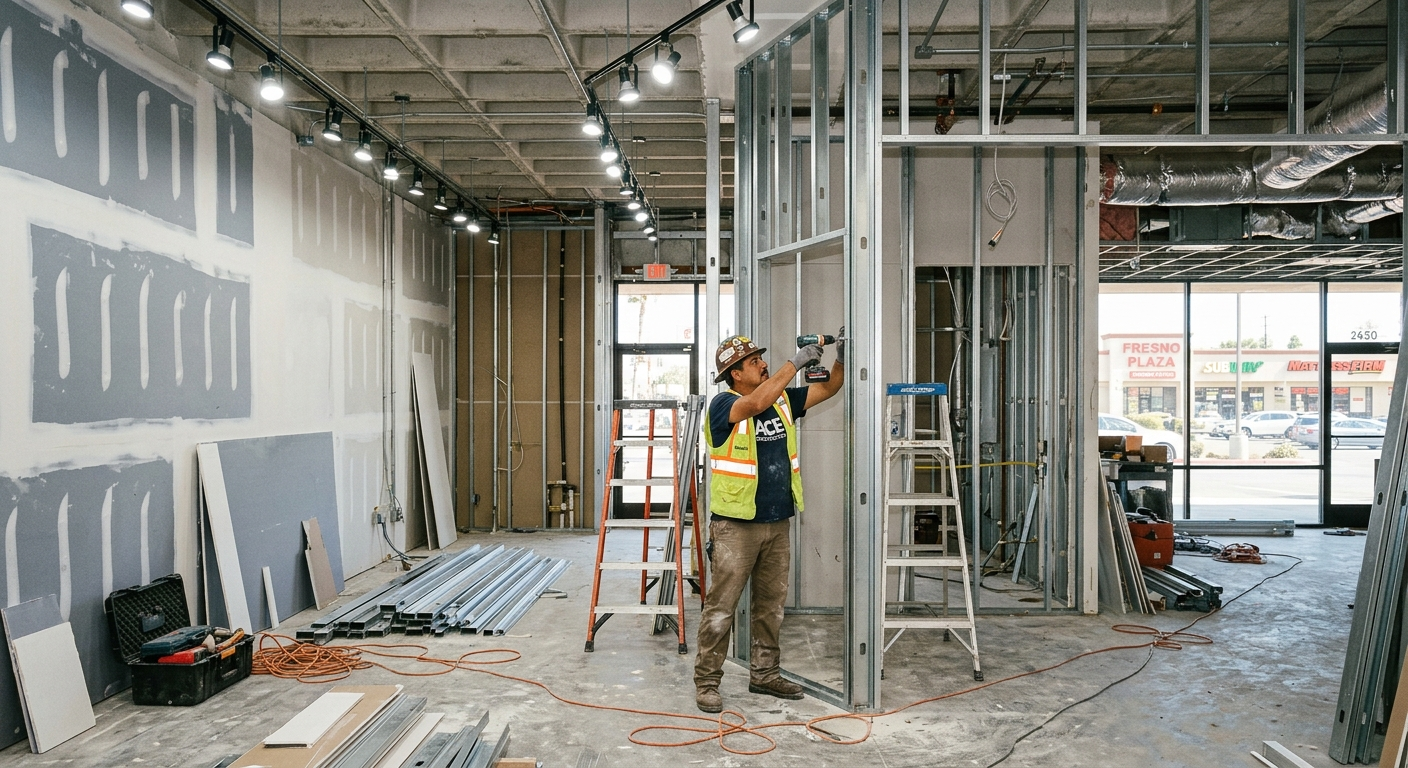
- Problems go unnoticed. A slow water leak under a sink can go undetected for weeks in an occupied home, but in a vacant one it can soak subfloors and grow mold before anyone opens the door.
- Vandalism and theft. Empty properties attract break-ins. In some Central Valley neighborhoods, copper pipe and wiring theft from vacant homes is a recurring problem.
- Squatters. California's tenant rights framework makes it harder to remove unauthorized occupants once they are established, creating both liability exposure and physical damage risk.
- Wildfire exposure. If a wildfire approaches a vacant home in the foothills near Friant, Auberry, or Shaver Lake, no one is there to take early action or report the threat. Carriers price this risk into their underwriting.
- Deferred maintenance. A property between tenants often has known repair needs. That combination of disrepair and no oversight increases claim frequency.
California's climate adds another layer. The San Joaquin Valley's summer heat pushes temperatures well above 100 degrees, stressing roofing, caulking, and HVAC systems. Winter fog season can trap moisture. Earthquake risk is real across the state. All of these factors raise the risk profile of an empty building sitting unmonitored.
What vacant property insurance actually covers
A dedicated vacant property policy is written to account for the elevated risk of an empty building. Coverage varies by carrier and policy form, but here is what a solid policy typically includes.
Property coverage
The structure itself, usually on a replacement cost or actual cash value basis, is covered against named perils. Standard named perils on a vacant property policy include fire, lightning, windstorm, hail, explosion, smoke, and sometimes vandalism. Open-perils (all-risk) forms exist but cost more and may still exclude certain vacancy-related losses.
Liability coverage
If someone is injured on your property while it is vacant, whether a prospective tenant touring the unit, a contractor doing repairs, or even a trespasser in some circumstances, you can face a lawsuit. Liability coverage pays for legal defense and damages up to the policy limit. A $300,000 to $500,000 liability limit is a reasonable floor for most residential rental properties in California, given how litigation-friendly the state's legal environment is. Some owners add a personal umbrella policy on top for additional protection.
Vandalism and malicious mischief
Many standard landlord policies reduce or eliminate this coverage once a vacancy clause kicks in. A vacant property policy typically keeps it in force, which matters given the real risk of break-ins and property damage to empty homes.
Water damage
Burst pipes, slab leaks, and appliance failures can cause tens of thousands of dollars in damage. Some vacant property policies cover sudden and accidental water damage; others require you to show the home was winterized or that you had regular inspections. Read the conditions carefully.
What is usually excluded
Knowing the gaps is just as important as knowing what is covered.
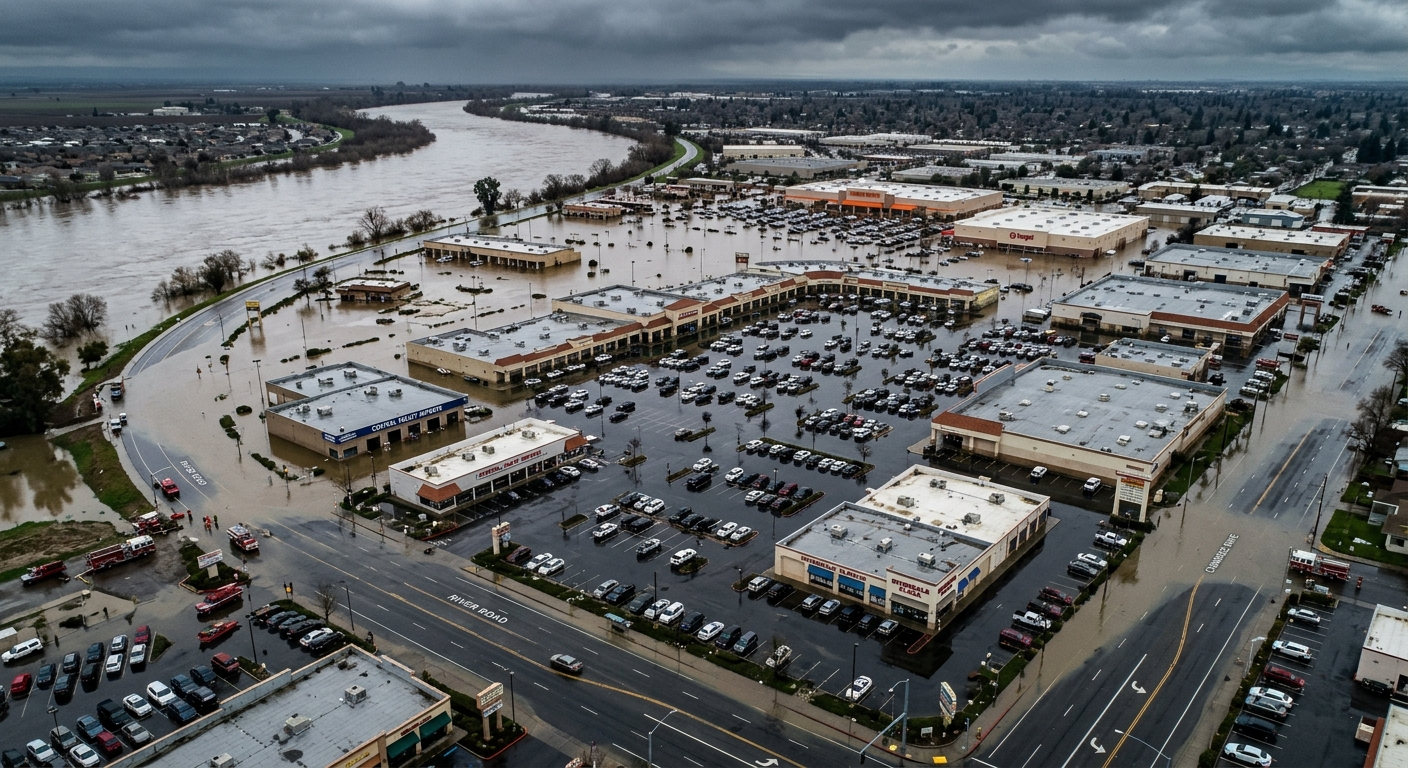
- Flood. Flood damage is excluded from virtually every property policy, vacant or not. If your property sits in a FEMA-designated flood zone, you will need separate flood coverage. The National Flood Insurance Program (NFIP) and some private carriers offer this. Our post on flood insurance in Fresno covers the basics.
- Earthquake. Also excluded by default. California has a known earthquake exposure, and a separate earthquake policy is worth considering, especially for older structures. See our overview of earthquake insurance in California.
- Mold. Most policies exclude mold unless it results directly from a covered water loss, and even then coverage may be limited.
- Ordinance or law. If a covered loss triggers a requirement to bring the building up to current code (think knob-and-tube wiring or outdated plumbing), the cost of those upgrades is not covered unless you have added an ordinance or law endorsement.
- Intentional acts and criminal activity by the owner. Standard exclusion.
How long do you need vacant property coverage?
Most standalone vacant property policies are written in 3-month, 6-month, or 12-month terms. Some carriers will write them for as short as 30 days. That flexibility matters because vacancy windows are often unpredictable.
Consider the typical landlord scenario in Fresno or Clovis. Your tenant gives 30 days notice. You need two weeks to paint, replace carpet, and address maintenance items. Then you spend another three to six weeks finding a qualified applicant, running background checks, and finalizing a lease. That is easily 60 to 90 days of exposure. Add an unexpected repair, a delayed contractor, or a slowdown in rental demand, and you could be looking at four to six months.
As soon as you know a tenant is leaving and the unit will be empty, talk to your agent about bridging coverage. Do not wait until the tenant's last day.
Vacant property vs. landlord insurance vs. dwelling fire: knowing which policy fits
California property owners sometimes confuse these policy types. Here is a quick breakdown.
- Homeowners insurance is designed for owner-occupied primary residences. It typically has a short vacancy clause and is not appropriate for rental properties.
- Landlord (rental dwelling) insurance is designed for properties actively rented to tenants. It covers the structure, loss of rental income, and landlord liability, but it does not perform well once the property sits vacant for more than 30 to 60 days. Our post comparing landlord insurance vs. homeowners insurance goes deeper on this topic.
- Dwelling fire insurance is a stripped-down policy covering the structure against named perils. It is sometimes used for rentals or properties in transition, but it is more limited than a full landlord policy.
- Vacant property insurance is purpose-built for empty buildings. It acknowledges the vacancy upfront, so you are not relying on a policy designed for an occupied building to cover an unoccupied one.
For most landlords, the cleanest solution is a landlord policy while the property is occupied, with a vacant property policy bridging any gap between tenants. Some insurers will let you modify your existing landlord policy with a vacancy endorsement rather than requiring a completely separate policy, but endorsement availability varies by carrier. That is one reason working with an independent agent is useful.
Cost factors for vacant property insurance in California
Vacant property policies in California cost more per dollar of coverage than standard homeowners or landlord policies, reflecting the elevated risk. Here are the main factors that move the premium.
- Location. A home in Woodward Park or Sunnyside carries different wildfire and crime risk than one in a rural foothill community near Friant or Shaver Lake. Carriers price this carefully.
- Construction type and age. Wood-frame homes older than 40 years with original electrical and plumbing will cost more to insure vacant than a newer stucco-and-concrete structure.
- Replacement cost of the structure. Your premium is proportional to the coverage amount.
- Policy term. A 6-month policy will cost less in total than two consecutive 3-month policies because of fixed underwriting costs.
- Security measures. Some carriers offer a small discount if you have a monitored alarm, deadbolts, or a property management company checking the building regularly. Documenting regular inspections (at least monthly) can also help at claim time.
- Coverage form. Named-perils policies are cheaper than open-perils. The coverage gap between the two is real, so weigh the price difference against your actual exposure.
As a rough benchmark, expect to pay somewhere between $800 and $2,500 per year for a standard vacant property policy on a single-family home in the Central Valley, depending on the factors above. That range is wide because the variation is significant. Get actual quotes from multiple carriers rather than relying on a ballpark figure.
Practical steps to protect your property between tenants
Insurance is not a substitute for basic risk management. Carriers look at these factors when deciding whether to pay a claim, and courts consider them when weighing negligence arguments.
- Inspect the property at least monthly and document each visit with photos. If a pipe bursts and you cannot show the property was being monitored, some policies will deny the claim on the grounds that the damage resulted from a failure to maintain the building.
- Secure all entry points. Change the locks after a tenant leaves. Make sure windows close and latch properly. Consider security film on ground-floor glass.
- Shut off the water at the main if the property will be empty for more than a few weeks. This eliminates a major category of water damage claims.
- Maintain utilities selectively. Keep electricity on for security lighting and smoke detectors. Gas service may or may not be needed depending on the season.
- Post "no trespassing" signage. It strengthens your legal position if you need to remove squatters and may reduce liability exposure in some circumstances.
- Notify your insurance agent immediately when a vacancy begins. Do not wait. The policy clock for vacancy clauses starts running from the date the property becomes empty, not from when you get around to making a call.
Get the right coverage with McCarty Insurance Agency
McCarty Insurance Agency is an independent agency serving landlords and property owners throughout Fresno, Clovis, Madera, and the surrounding Central Valley communities. As an independent agency, we shop your coverage across multiple carriers to find a policy that fits both your property's specific situation and your budget. We are not tied to any one insurer, so our goal is finding the right fit for you, not hitting a quota.
If you have a property sitting empty right now, or you know a tenant is leaving soon, do not assume your existing coverage has you protected. Give us a call at (559) 324-1421 or reach out through our contact page and we will walk through your options. The conversation takes less time than you might expect, and the right policy is far cheaper than an uninsured claim on an empty building.