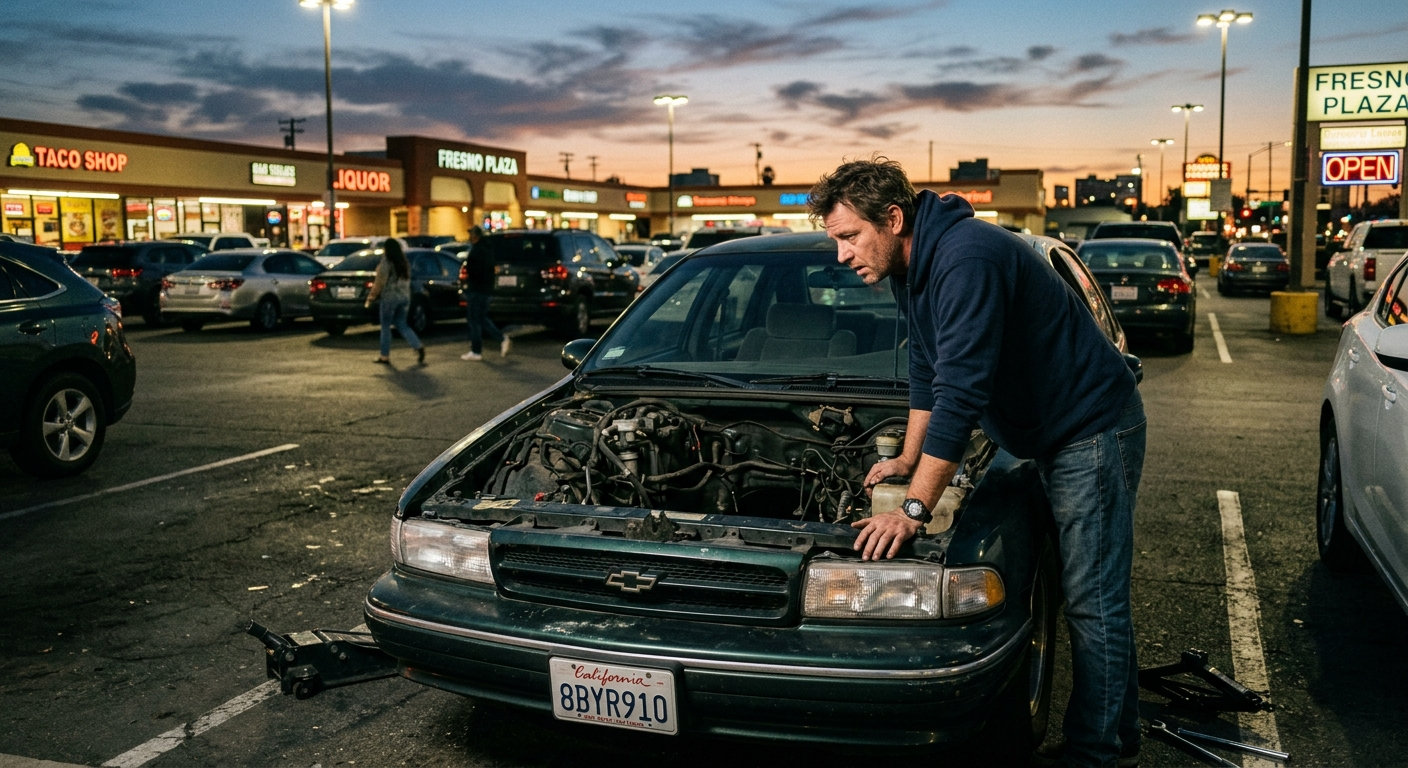
Fleet insurance in California: what small businesses with multiple vehicles need to know
Fleet insurance for California small businesses is one of those coverage decisions that can either save you thousands of dollars or leave you exposed in ways you never anticipated. If your business runs two or more vehicles, whether that is a pair of service vans, a small delivery fleet, or a mix of trucks and cars used by employees, you almost certainly need a commercial fleet policy rather than individual commercial auto policies stacked on top of each other. Below is a plain-language breakdown of how fleet insurance works, what California law requires, and how to make sure your coverage fits your operation.
What counts as a fleet in California
There is no single universal definition, but most insurance carriers define a fleet as two or more vehicles owned or regularly used by a business. Some carriers set the threshold at five vehicles before calling it a fleet account. For practical purposes, if your company has more than one vehicle, you should be comparing a fleet policy against individual commercial auto policies, because the fleet route is almost always more efficient and better priced at scale.
The vehicles do not all have to be the same type. A plumbing company running two pickup trucks and a cargo van qualifies. A landscaping crew with a truck, a trailer-pulling SUV, and a ride-on mower transport rig qualifies. Even a small Fresno-area catering operation with a couple of refrigerated vans qualifies. The factor that matters is whether the vehicles are used for business purposes on a regular basis.
California does not have a specific "fleet license" requirement for most small businesses, but the California Department of Motor Vehicles and the California Department of Insurance both have clear rules about minimum commercial auto coverage that apply to every vehicle in your operation.
California minimum requirements for commercial vehicles
Before you think about fleet-specific coverage, you need to understand the state minimums. California requires all vehicles on public roads to carry liability insurance. For standard commercial vehicles under 10,000 pounds gross vehicle weight, the minimum liability limits mirror personal auto: $15,000 per person / $30,000 per accident for bodily injury and $5,000 for property damage . Those numbers are widely considered dangerously low for any business vehicle, and carrying significantly more is standard practice.
For larger commercial vehicles, the California Public Utilities Commission and the Federal Motor Carrier Safety Administration impose higher thresholds. A vehicle operating as a for-hire carrier hauling non-hazardous freight may need $750,000 or more in liability . Vehicles carrying hazardous materials can require $1 million to $5 million in coverage depending on the cargo class. If your fleet includes any vehicles that fall into those categories, the minimums are not optional.
For a closer look at how the state structures these rules, the post on commercial auto insurance requirements in California covers the specific limits and how they apply to different vehicle classes.
What a fleet policy actually covers
A commercial fleet policy bundles your vehicles under one master policy with a single renewal date, one set of documents, and in most cases a single deductible structure. That administrative simplicity alone is worth something when you are running a business and do not have time to track five separate renewal notices.
Beyond convenience, a properly structured fleet policy should include:
- Combined liability coverage covers bodily injury and property damage your drivers cause to third parties. This is the non-negotiable baseline for any fleet.
- Uninsured/underinsured motorist coverage protects your drivers if they are hit by a motorist who carries no insurance or not enough. California has a high uninsured driver rate, so this matters.
- Physical damage: collision pays to repair or replace your vehicle after an at-fault accident, regardless of who is driving.
- Physical damage: comprehensive covers non-collision events like theft, vandalism, fire, and weather damage. Central Valley businesses sometimes overlook this and then face a total loss after a vehicle is stolen or a wildfire damages property near a jobsite.
- Medical payments covers medical costs for your driver and passengers regardless of fault.
- Hired and non-owned auto covers vehicles you rent, borrow, or that employees drive on company business using their personal vehicles. This is often added as an endorsement and is easy to overlook.
If your employees use their personal cars for deliveries or client visits, that last item deserves special attention. You can read more about how it works in the guide on hired and non-owned auto insurance for California businesses.
How fleet pricing works and what drives your premium
Carriers price fleet policies based on a combination of factors, and understanding them helps you control costs over time.
Vehicle type and age
Heavier, more expensive, or older vehicles cost more to insure. A fleet of late-model compact vans will carry a lower premium than a fleet of large box trucks or vehicles with high repair costs. Older vehicles with high mileage may not qualify for comprehensive or collision at competitive rates, so some businesses choose to carry liability only on older units.
Driver history and age
In California, carriers review the motor vehicle records (MVRs) of all listed drivers. A clean driving record across your team is one of the fastest ways to reduce your fleet premium. A single driver with multiple violations or an at-fault accident can pull the rate up for the whole account. Many fleet operators run annual MVR checks on all employees authorized to drive company vehicles and pull authorization for drivers who accumulate violations.
Annual mileage and radius of operation
How far and how often your fleet drives matters. A vehicle that logs 80,000 miles a year in stop-and-go Fresno traffic carries a different risk profile than one that makes two local deliveries a week. Carriers will ask for estimated annual mileage, and misreporting it can create coverage problems if you have a claim.
Loss history
Your claims history over the past three to five years is one of the biggest pricing factors. Frequent small claims can push rates up significantly. Some businesses find that carrying a higher deductible and absorbing minor fender-benders out of pocket keeps their long-term premiums lower than filing every small claim.
Type of business and cargo
What your vehicles haul and what business they support affects pricing. A fleet used to transport contractors' tools is priced differently than one used for food delivery, medical transport, or hazardous materials. Carriers want to understand the full picture of how the vehicles are used.
Common gaps that small business fleet owners miss
Most coverage problems do not surface until a claim is filed. Here are the gaps that tend to catch California small business owners off guard:
- Personal auto policies used for business vehicles are a common and painful mistake among sole proprietors who buy vehicles in their company name but insure them personally. If a vehicle is titled to the business or used primarily for business purposes, a personal auto policy will almost certainly deny the claim.
- Unlisted drivers create problems when a fleet policy excludes anyone not listed by name. If a new employee gets behind the wheel of a company vehicle before being added to the policy, coverage may not apply. Know your policy's driver requirements and update them promptly when staff changes.
- Gaps during vehicle acquisition occur because coverage does not always attach automatically when you add a new vehicle. Many policies allow a short grace period (often 30 days) but require you to notify the carrier. Driving a new addition off the lot without confirming coverage is a gap.
- No inland marine coverage for tools and cargo leaves the contents unprotected even when the vehicle itself is insured. A locked toolbox in a work van is generally not covered by the fleet policy. A separate inland marine or cargo policy is needed for the equipment and goods your fleet transports. See how inland marine insurance works for California businesses if this applies to your operation.
- Liability limits that are too low are a serious exposure. The state minimums are a floor, not a recommendation. A single serious accident involving a company vehicle can produce judgments well into the millions. Most fleet operators need at least $1 million in liability and should seriously consider a commercial umbrella policy on top of that to protect against catastrophic losses.
Fleet insurance for specific industries in the Central Valley
The Fresno, Clovis, and broader Central Valley business community spans agriculture, construction, landscaping, food distribution, healthcare, and more. Each industry has its own fleet profile.
Agriculture and farm operations
Vehicles used on private property may not need the same coverage as those on public roads, but the moment a truck or utility vehicle crosses onto a public road, standard commercial auto requirements apply. Seasonal workers driving company vehicles add a layer of driver management complexity that many ag operations underestimate.
Contractors and construction firms
Construction fleets often include a mix of pickup trucks, flatbeds, and heavy equipment transport vehicles. Workers' compensation and general liability work alongside fleet coverage to form a complete protection package. If you are a contractor, the guide on builders risk insurance in California is worth reading alongside your fleet coverage review.
Delivery and logistics
E-commerce growth has pushed many small businesses in Fresno and surrounding areas into delivery operations they did not anticipate. If you have employees making last-mile deliveries in personally owned vehicles, hired and non-owned auto coverage is not optional. If you are operating commercial delivery vehicles, FMCSA registration and higher liability limits may apply depending on weight and cargo type.
Service trades (plumbing, HVAC, electrical, landscaping)
Service companies typically have smaller fleets but higher per-vehicle utilization. Tools in the vans, employees driving directly from home to jobsites, and varying work locations all create coverage nuances worth addressing. A business owner's policy (BOP) often pairs well with commercial auto coverage for this type of operation, bundling property and liability into one affordable package.
How to manage your fleet policy over time
A fleet policy is not something you set up once and ignore. A few practices keep your coverage aligned with your actual operation:
- Annual fleet audits mean reviewing the vehicle list, driver roster, and mileage estimates every year at renewal. Remove vehicles you no longer own, add new ones, and update driver information.
- Driver training programs can earn premium credits with some carriers when training is documented. In a business with tight margins, a few hundred dollars off the annual premium adds up.
- Telematics are GPS-based fleet tracking systems that can reduce insurance premiums with some carriers by demonstrating safe driving behavior. They also reduce theft risk and improve dispatch efficiency, so the business case goes beyond insurance alone.
- Clear vehicle use policies should specify in writing who is authorized to drive company vehicles, under what circumstances, and what happens when a driver gets a moving violation. Ambiguity on these points leads to coverage disputes.
- Regular MVR checks on all authorized drivers should happen at least once a year. Some businesses do it quarterly. This is especially important with driver turnover or a large team.
Work with an independent agent who knows California fleet coverage
Fleet insurance is not a commodity product you can accurately price in a five-minute online form. The right policy depends on the vehicles you run, the drivers on your team, what your business does, and what gaps already exist in your broader commercial coverage. A low number on a quick quote means nothing if the policy excludes your cargo, does not list all your drivers, or carries liability limits that would be exhausted by a single serious accident.
McCarty Insurance Agency is an independent agency serving businesses throughout Fresno, Clovis, and the Central Valley. As an independent agency, we compare fleet and commercial auto policies from multiple carriers to find coverage that fits your operation, not just the carrier's preferred product. We take the time to understand your fleet before recommending anything.
Call us at (559) 324-1421 or visit our contact page to start a fleet insurance review. You can also explore our commercial auto coverage options to get a sense of what we work with before we talk.